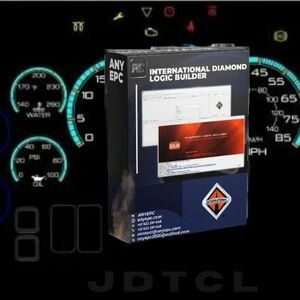

-
×
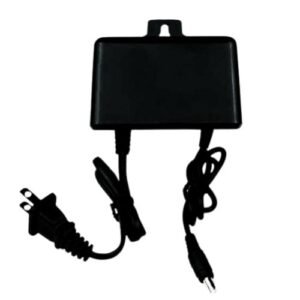
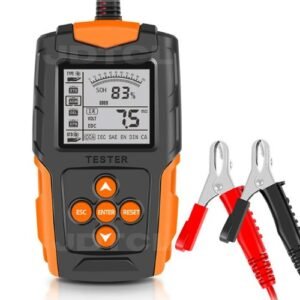 12V/24V full protection intelligent battery tester with multiple protections,
1 × 160,00 AED
12V/24V full protection intelligent battery tester with multiple protections,
1 × 160,00 AED -
×
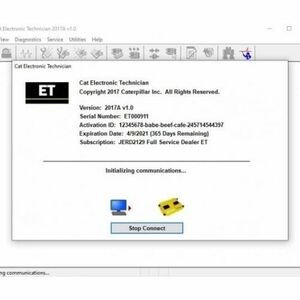 2017A Cat ET ET3 Electronic Technician Diagnostic Excavator
1 × 50,00 AED
2017A Cat ET ET3 Electronic Technician Diagnostic Excavator
1 × 50,00 AED -
×
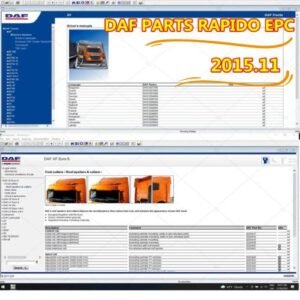 2015.11 DAF PARTS RAPIDO EPC
1 × 350,00 AED
2015.11 DAF PARTS RAPIDO EPC
1 × 350,00 AED -
×
 1.06.012 wirtgen widiag
1 × 900,00 AED
1.06.012 wirtgen widiag
1 × 900,00 AED -
×
 2020.02.00.286 2020 TRIMBLE SOFTWARE EDITION AG
1 × 6.243,98 AED
2020.02.00.286 2020 TRIMBLE SOFTWARE EDITION AG
1 × 6.243,98 AED -
×
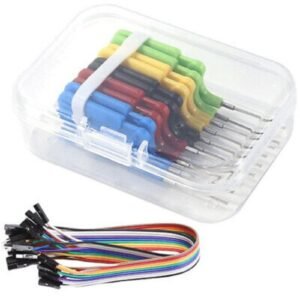
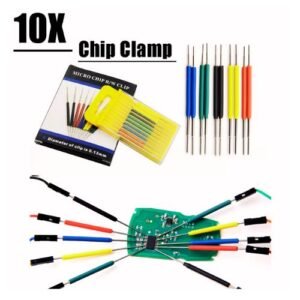 10pcs Chip test Clamp Universal IC test clip BIOS Logic Analyzer SOP SOIC SOP8 SMD pin hook Socket Online burn clip programmer
1 × 65,00 AED
10pcs Chip test Clamp Universal IC test clip BIOS Logic Analyzer SOP SOIC SOP8 SMD pin hook Socket Online burn clip programmer
1 × 65,00 AED -
×
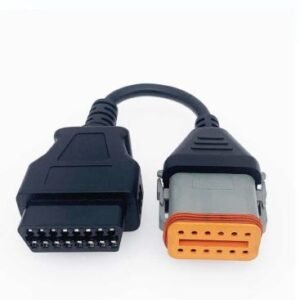
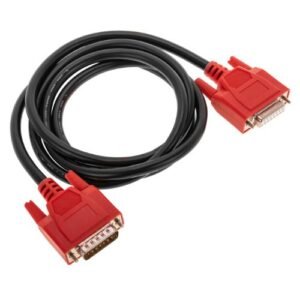
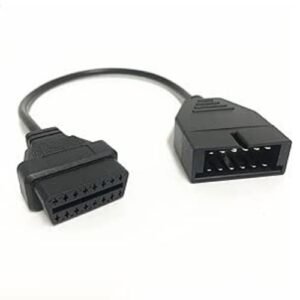 12 Pins to 16 Pins High-Quality OBD2 Adapter Cable for Reliable OBD II Diagnosis
1 × 59,98 AED
12 Pins to 16 Pins High-Quality OBD2 Adapter Cable for Reliable OBD II Diagnosis
1 × 59,98 AED
Automotive OBD (On-Board Diagnostics) repair involves using the car’s built-in computer system (OBD-II, standard since 1996) to self-diagnose issues, read fault codes (DTCs) via an OBD-II scanner, and pinpoint problems in emission, engine, and other systems for faster, more accurate fixes, saving time and money by identifying the source of the “Check Engine” light or performance issues.
How it works
Sensors & ECUs: Sensors monitor engine, transmission, and emissions components, sending data to the Engine Control Unit (ECU).
Fault Detection: When a problem arises (e.g., increased emissions), the ECU stores a Diagnostic Trouble Code (DTC) and illuminates the Check Engine Light.
Scanner Connection: A technician plugs an OBD-II scanner into the standardized port (usually under the dash).
Code Retrieval: The scanner reads the DTCs, revealing the specific system or component with the fault (e.g., a faulty oxygen sensor).
Diagnosis & Repair: Mechanics use these codes to quickly locate the issue, perform repairs (like replacing a sensor), and then use the scanner to clear the codes.