
-
×
 What do I do when the automatic transmission warning light
1 × 0,00 AED
What do I do when the automatic transmission warning light
1 × 0,00 AED -
×
 Diagzone pro supported obd2 scanner Devices
1 × 0,00 AED
Diagzone pro supported obd2 scanner Devices
1 × 0,00 AED -
×
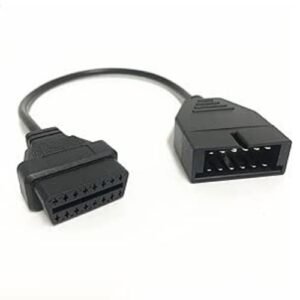
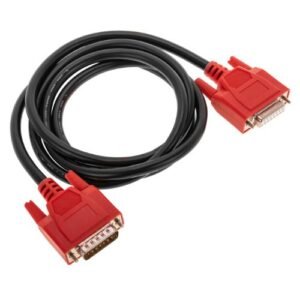 15 pin male to 15 female extender cable
1 × 100,00 AED
15 pin male to 15 female extender cable
1 × 100,00 AED -
×
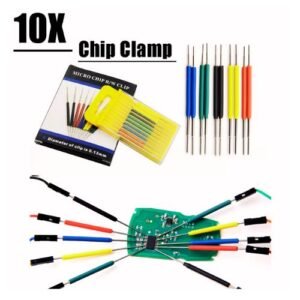
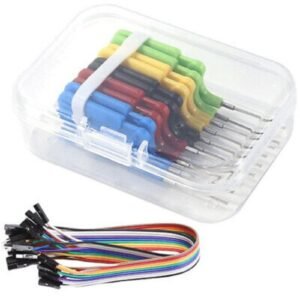 10pcs/set SDK08 Test Clips with Jumper Wires SMD Gripper 40V Test Clamp
1 × 60,00 AED
10pcs/set SDK08 Test Clips with Jumper Wires SMD Gripper 40V Test Clamp
1 × 60,00 AED -
×
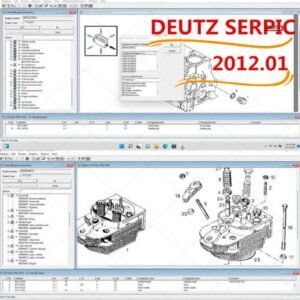 2012.01 DEUTZ SERPIC
1 × 299,99 AED
2012.01 DEUTZ SERPIC
1 × 299,99 AED -
×
 Just How Much Can You Drive After the Gas Light Activates?
1 × 0,00 AED
Just How Much Can You Drive After the Gas Light Activates?
1 × 0,00 AED -
×
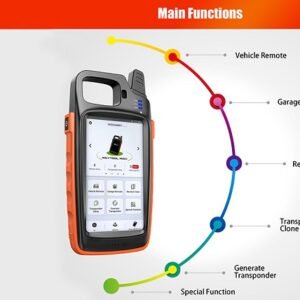 Xhorse Vvdi Key Tool Max Car Remote Chip Generator, Lost Key Programmer Tool
1 × 1.650,00 AED
Xhorse Vvdi Key Tool Max Car Remote Chip Generator, Lost Key Programmer Tool
1 × 1.650,00 AED -
×
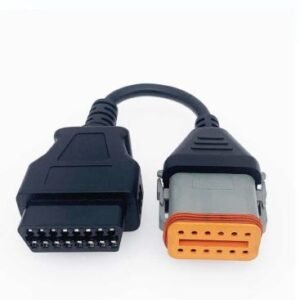 12pin to 16pin OBD Cable for Komatsu For Cummins adapter Inline6
1 × 100,00 AED
12pin to 16pin OBD Cable for Komatsu For Cummins adapter Inline6
1 × 100,00 AED
Automotive OBD (On-Board Diagnostics) repair involves using the car’s built-in computer system (OBD-II, standard since 1996) to self-diagnose issues, read fault codes (DTCs) via an OBD-II scanner, and pinpoint problems in emission, engine, and other systems for faster, more accurate fixes, saving time and money by identifying the source of the “Check Engine” light or performance issues.
How it works
Sensors & ECUs: Sensors monitor engine, transmission, and emissions components, sending data to the Engine Control Unit (ECU).
Fault Detection: When a problem arises (e.g., increased emissions), the ECU stores a Diagnostic Trouble Code (DTC) and illuminates the Check Engine Light.
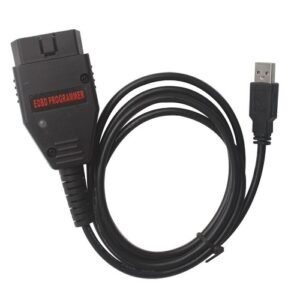
Scanner Connection: A technician plugs an OBD-II scanner into the standardized port (usually under the dash).
Code Retrieval: The scanner reads the DTCs, revealing the specific system or component with the fault (e.g., a faulty oxygen sensor).
Diagnosis & Repair: Mechanics use these codes to quickly locate the issue, perform repairs (like replacing a sensor), and then use the scanner to clear the codes.