

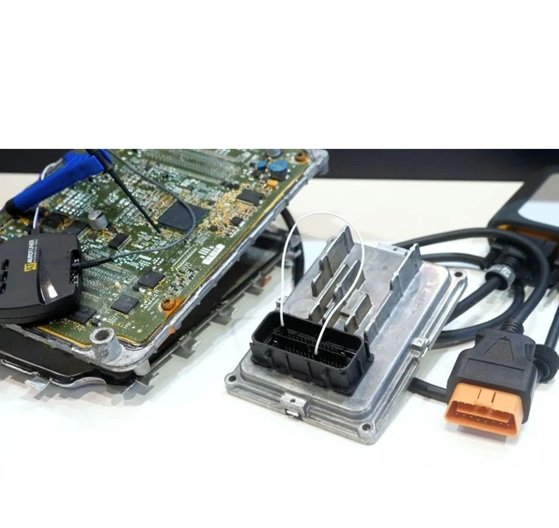

𝐄𝐂𝐔 𝐅𝐢𝐫𝐦𝐰𝐚𝐫𝐞 𝐂𝐡𝐞𝐜𝐤𝐬𝐮𝐦 𝐅𝐢𝐱 𝐂𝐨𝐫𝐫𝐞𝐜𝐭𝐢𝐨𝐧 𝐒𝐞𝐫𝐯𝐢𝐜𝐞
WhatsApp _971509970171
Support list:
BMW Mini
Bosch ME7 Checksum
Bosch ME9 Checksum
Bosch MEV9 Checksum
Chinese Vehicle
Bosch M7 Checksum
Bosch ME7 Checksum
Delphi MT22 Checksum
Delphi MT60 Checksum
Delphi MT60.1 Checksum
Delphi MT80 Checksum
LingDian TR20-40 Checksum
FCA(Abarth/Alfa Romeo/Chrysler/Dodge/Ferrari/Fiat/Jeep/Lancia/Maserati)
Bosch ME7 Checksum
Ford
Siemens SID208 Checksum
Siemens SID209 Checksum
Siemens SID211 Checksum
GM Group(Buick Cadillac Chevrolet Opel)
Bosch ME7 Checksum
Delco E37
Delco E38
Delco E39
Delco E39A
Delco E78
Delco E80
Delco E82
Delco E83
Delco E84
Delco E87
Delco E92
Delco E98
Delphi MT60 Checksum
Delphi MT80 Checksum
Honda
Bosch ME7 Checksum
Hyundai/Kia
Bosch M7 Checksum
Bosch M(E)(G)7 Checksum
Continental SIM2K-14x Checksum
Continental SIM2K-24x Checksum
Continental SIM2K-25x Checksum
Continental SIM2K-26x Checksum
Continental SIM2K-34x Checksum
Delphi MT38 Checksum
Delphi MT86 Checksum
Land Rover/Jaguar
Siemens SID208 Checksum
Mazda
Siemens SID208 Checksum
Mercedes
Bosch ME9 Checksum
Bosch MED9 Checksum
Siemens SIM271DE/DE2.0 Checksum
Porsche
Bosch ME7 Checksum
PSA(DS/Citroën/Peugeot)
Bosch ME7 Checksum
Siemens SID208 Checksum
Smart
Bosch ME7 Checksum
Toyota/Lexus
Bosch ME7 Checksum
Audi/Volkswagen/Seat/Skoda
Bosch ME7 Checksum
Comtinue Updating More ECM
An ECU Checksum Fix Correction Service is a technical process or professional service that recalculates the mathematical “security signature” (the checksum) of a vehicle’s Engine Control Unit (ECU) file after it has been modified.
Why is this service needed?
When you change the data in an ECU—such as during Chiptuning for performance, removing a Speed Limiter, or performing a DPF/EGR delete—the total value of the data bits changes.
The Guard Dog: The ECU contains a stored checksum value that must match the calculated sum of its data. If they don’t match, the ECU detects “corruption” or unauthorized tampering.
Safety Lockout: Without a fix/correction, the vehicle will typically:
Fail to start entirely.
Enter “Limp Mode” (significantly reduced power).
Potentially “brick” (permanently lock) the ECU.
How it Works
Automated Tools: Most modern professional flashing tools (like those from High Performance Academy) handle this automatically in the background when writing the file to the car.
Manual/Third-Party Services: If you are using DIY software or “clone” tools that don’t support automatic correction, you must use a specialized service. You upload your modified .bin file to a provider like TuningBot or MetaECU AI, and they return a “fixed” version with the correct signature ready for flashing.
Key Benefits
Safe Flashing: Guarantees the modified software is accepted by the vehicle’s hardware.
Data Integrity: Ensures the file wasn’t corrupted during the editing process.
Universal Support: Services often support hundreds of ECU types from manufacturers like Bosch, Siemens, and Denso.
Are you currently remapping a specific vehicle model and encountering a “checksum error,” or are you just researching the process?
Be the first to review “𝐄𝐂𝐔 𝐅𝐢𝐫𝐦𝐰𝐚𝐫𝐞 𝐂𝐡𝐞𝐜𝐤𝐬𝐮𝐦 𝐂𝐨𝐫𝐫𝐞𝐜𝐭𝐢𝐨𝐧 𝐒𝐞𝐫𝐯𝐢𝐜𝐞”
Related products




Reviews
There are no reviews yet.