


𝐄𝐂𝐔 𝐈𝐝𝐥𝐞 𝐌𝐨𝐝𝐢𝐟𝐲 𝐓𝐮𝐧𝐢𝐧𝐠 𝐒𝐞𝐫𝐯𝐢𝐜𝐞
WhatsApp+971509970171.
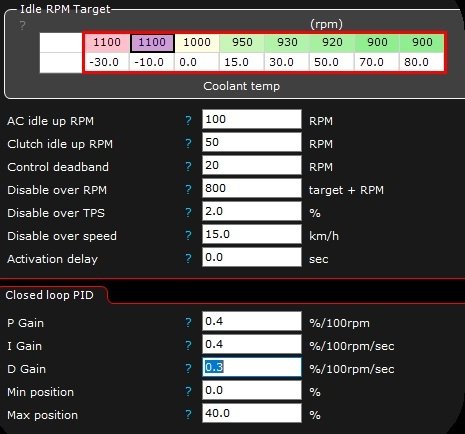
Manually modify the vehicle idle speed, minimum RPM condition. Solve the problem of vehicle shaking caused by too low idle speed.
Supported vehicles and ECUs
Supports all ecu tools (Does not support checksums)
Support list:
Chinese Vehicle
Bosch ME7.8.8
Bosch ME17.8.8
Bosch ME17.8.8.1
Bosch MED17.8.2
Bosch MED17.8.10
Honda
Honda Keihin SH7058 1MB
Honda Keihin SH72543 2MB
Honda Keihin TC1782 2.5MB
Honda Keihin MPC5566 3MB
Hyundai/Kia
Bosch M(G)7.9.8
Bosch ME(G)17.9.11
Bosch ME(G)17.9.12
Bosch ME(G)17.9.13
Bosch ME(G)17.9.21
Bosch MED(G)17.9.8
Continental SIM2K-140
Continental SIM2K-141
Continental SIM2K-143
Continental SIM2K-240
Continental SIM2K-241
Continental SIM2K-242
Continental SIM2K-245
Continental SIM2K-341
Kefico CPEGD2.20.1
Kefico CPEGD2.20.2
Kefico CPEGD2.20.3
Kefico CPEGD2.20.4
Kefico CPEGP2.10.1
Kefico CPGDSH2.26.1
Kefico CPGDSH2.26.3
Kefico CPGPSH2.14.1
Mercedes
Bosch ME9.7
Land Rover Jaguar
Bosch MED17.8.31
Bosch MED17.8.32
Bosch MED17.9.7
Porsche
Continental SDI3
Continental SDI4
Continental SDI6
Continental SDI7
Continental SDI8
Continental SDI9
Continental SDI10
Suzuki
Bosch ME17.9.61
Bosch ME17.9.64
Toyota
Denso Petrol Gen1
Denso Petrol Gen2
Audi/Volkswagen/Seat/Skoda/Porsche
Bosch MED17.5.20
Bosch MED17.5.25
Bosch MG1CS002
Continental SIMOS 8;
ECU Idle Modify (often called Idle Control Modifiers or Idle Ups) is a tuning function that allows the Engine Control Unit (ECU) to automatically adjust the engine’s target idle speed or airflow based on specific electrical or mechanical loads.
The primary goal is to maintain a stable, consistent RPM and prevent stalling when the engine is suddenly stressed by accessories.
How Idle Modifiers Work
The ECU monitors various inputs and applies a “modifier”—a pre-set increase in airflow or engine torque—to counteract the drag from specific components:
Air Conditioning (AC): When the AC compressor kicks in, it places a heavy physical load on the engine. The ECU “bumps up” the idle (e.g., by +100 RPM) to keep the engine from dipping or stalling.
Power Steering: Turning the wheel at a standstill puts load on the hydraulic pump. The ECU can modify the idle to compensate for this temporary drag.
Electrical Loads: Heavy draws from headlights, radiator fans, or high-power audio systems can strain the alternator. Modifiers increase RPM to help the alternator meet the demand.
Engine Temperature: The ECU uses temperature-based modifiers to set a higher “cold start” idle, which gradually decreases as the engine reaches operating temperature.
Common Methods of Modification
Tuners use several “virtual” and mechanical methods to modify idle behavior:
Airflow Adjustment: The ECU opens an Idle Air Control Valve (IACV) or slightly opens the electronic Drive-By-Wire (DBW) throttle to let more air into the engine.
Ignition Timing: Advancing or retarding ignition timing is a faster way to stabilize idle than moving physical valves. Advancing timing increases torque and RPM, while retarding it pulls the idle back down.
Idle Relearn/Adaptation: If you have modified your air filter or exhaust, you may need to perform an “idle relearn” to let the ECU recalibrate its base idle values for the new airflow characteristics.
When is it used?
Idle modification is a critical part of ECU tuning after aftermarket performance upgrades, such as adding a larger camshaft or high-flow injectors, which can make the factory idle unstable.
Are you looking to adjust the idle on a specific vehicle or troubleshooting a surging idle issue?



Reviews
There are no reviews yet.