


𝗘𝗖𝗨 𝗙𝘂𝗲𝗹 𝗤𝘂𝗮𝗹𝗶𝘁𝘆 𝗗𝗲𝗳𝗲𝗰𝘁𝘀 𝗙𝗶𝘅 𝗧𝘂𝗻𝗶𝗻𝗴 𝗦𝗲𝗿𝘃𝗶𝗰𝗲.
WhatsApp+971509970171.
One-click fix for vehicle performance limitation due to fuel quality issue with P30C0 fault code
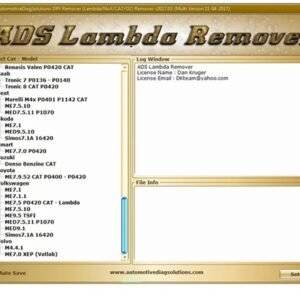
Supported vehicles and ECUs
Supports all ecu tools (Does not support checksums)
Support list:
Audi/Volkswagen/Seat/Skoda
Bosch ME7.5
Bosch ME7.5.10
Bosch ME7.5.20
Bosch ME7.5.30
Bosch ME17.5.22
Bosch ME17.5.26
Bosch MED17.5.20
Bosch MED17.5.25
Bosch MG1CA811;
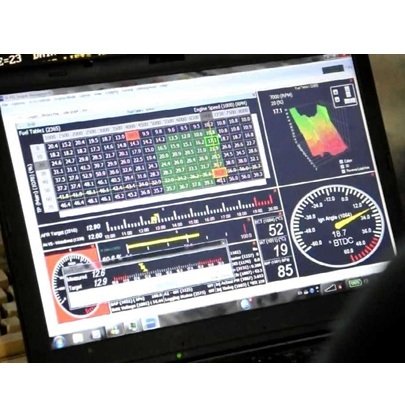
While there is no single industry-standard procedure titled “Fuel Quality Defects Fix Tuning,” the concept refers to the diagnostic and adjustment process used to resolve engine performance issues caused by low-quality or contaminated fuel.
In the context of vehicle maintenance and performance tuning, this typically involves the following steps:
1. Identifying Fuel Quality Defects
Fuel quality issues are often the root cause of “tuning problems” where the engine fails to meet expected performance parameters. Common defects include:
Contamination: Presence of water, sediment, or microbial growth (common in diesel), which leads to incomplete combustion and clogged filters.
Low Octane/Cetane Rating: Using fuel with a lower rating than required by the engine’s tune can cause engine knocking or “pinging,” leading the ECU (Engine Control Unit) to retard timing and reduce power.
Chemical Degradation: Old fuel that has sat for long periods can lose its volatility, causing hard starts and rough idling.
2. Diagnostic “Fixes” Through Tuning
When a technician “tunes” to fix fuel-related defects, they are often performing a deep-dive diagnostic using ECU data:
Analyzing Fuel Trims: Technicians check if the ECU is adding excessive fuel (positive trim) to compensate for lean conditions caused by clogged injectors or poor fuel flow.
Monitoring Air-Fuel Ratios (AFR): Using wideband meters, tuners identify if the fuel quality is causing the engine to run too lean or too rich.
Detecting Detonation: Diagnostic tools identify if poor fuel is causing pre-ignition, which can then be “fixed” by adjusting the ignition timing maps until higher-quality fuel is introduced.
3. Physical Repairs and Maintenance
“Fixing” these defects often requires physical intervention before further software tuning can occur:
Fuel System Flushing: Removing contaminated fuel and cleaning the tank.
Component Replacement: Replacing clogged fuel filters or damaged fuel injectors that have been compromised by poor fuel.
Using Additives: Incorporating detergents or fuel stabilizers to remove injector deposits and improve combustion efficiency.
4. Software Adjustments (ECU Tuning)
If a vehicle must operate in a region where only low-quality fuel is available, a “fix” involves a custom ECU remap:
Ignition Timing Retardation: Adjusting the software to fire spark plugs later to prevent knocking on low-octane fuel.
Fuel Map Rework: Adjusting the amount of fuel injected to compensate for lower energy density in “bad” fuel.
Are you experiencing specific symptoms like engine knocking or power loss, or are you looking for a custom ECU map for a specific fuel grade?



Reviews
There are no reviews yet.