

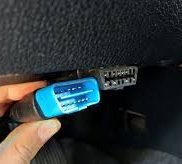

An OBD2 Port (On-Board Diagnostics II) is a standardized 16-pin interface used in vehicles to access real-time data and diagnostic trouble codes (DTCs) from the car’s computer system. It functions like a car’s “USB port,” allowing mechanics and owners to identify engine problems, check emissions readiness, and monitor performance.
How to Locate the OBD2 Port
The port is almost always located inside the passenger compartment, typically within 2-3 feet of the steering wheel.
Primary Location (Most Common): Under the dashboard on the driver’s side, often near the steering column or above the pedals (brake, gas, or footrest).
Secondary Locations:
Center Console: Around or under the center console area, or sometimes hidden inside a storage compartment or near the ash tray.
Behind Covers: Many vehicles hide the port behind a small plastic flap, latch, or removable panel, particularly near the interior fuse box.
Passenger Side: Occasionally found under the dashboard on the passenger side or near the kick panel.
Glove Box: In a few models, it may be located inside the glove compartment.
Quick Identification Tips
Shape: It is a distinctive trapezoid-shaped female 16-pin connector.
Color: While often black, the connector can also be white or other colors depending on the manufacturer.
Age Matters: If your car was manufactured after 1996 (USA) or 2001 (EU petrol), it is legally required to have an OBD2 port.
If you cannot find it, you can consult your vehicle’s manual or use a free online locator tool like klavkarr.com which provides photos for specific models.
Are you looking to diagnose a specific error code, or do you need a scanner recommendation for your vehicle?


Reviews
There are no reviews yet.